Jump to content

BlownCorona

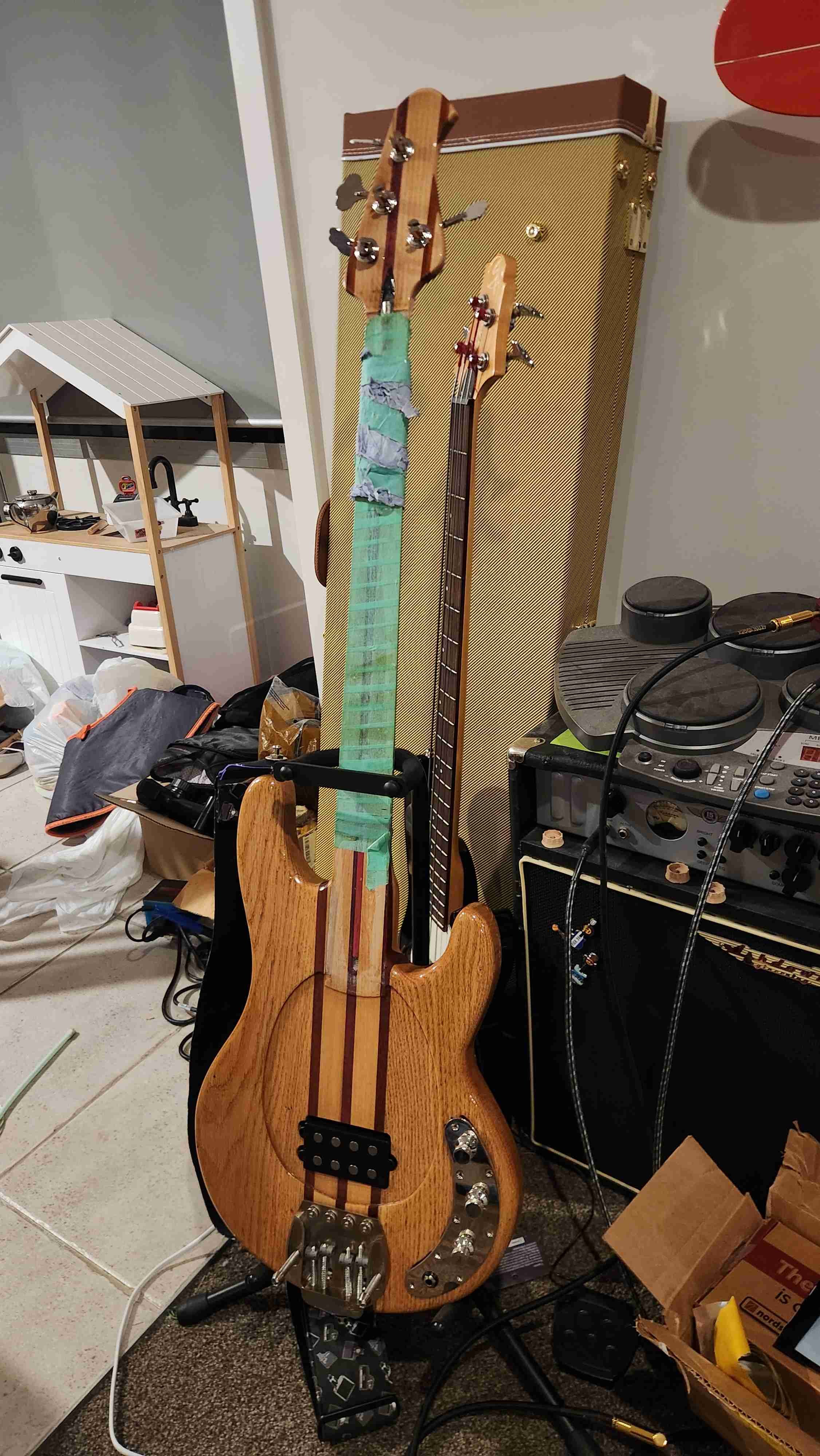
Members
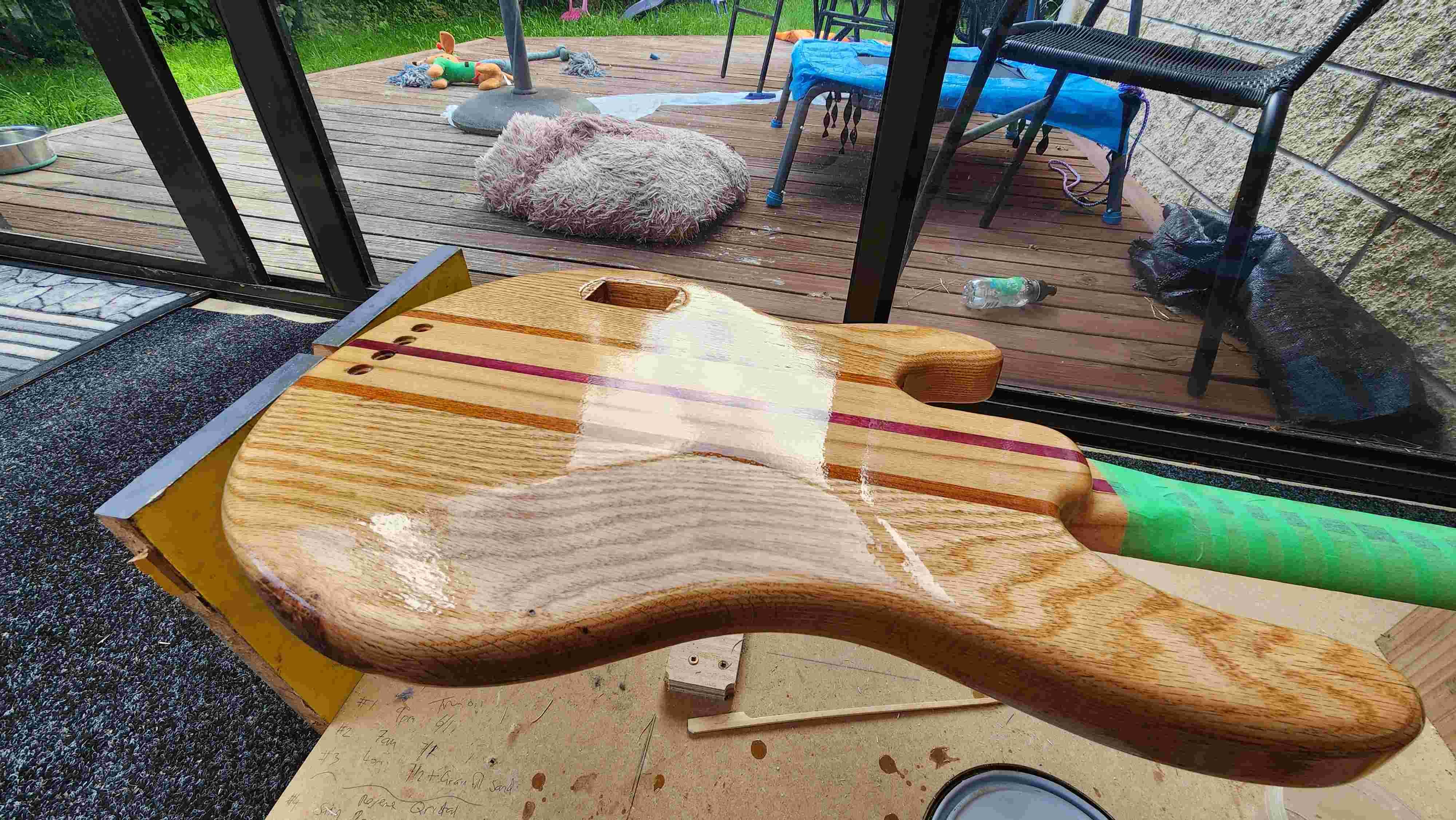
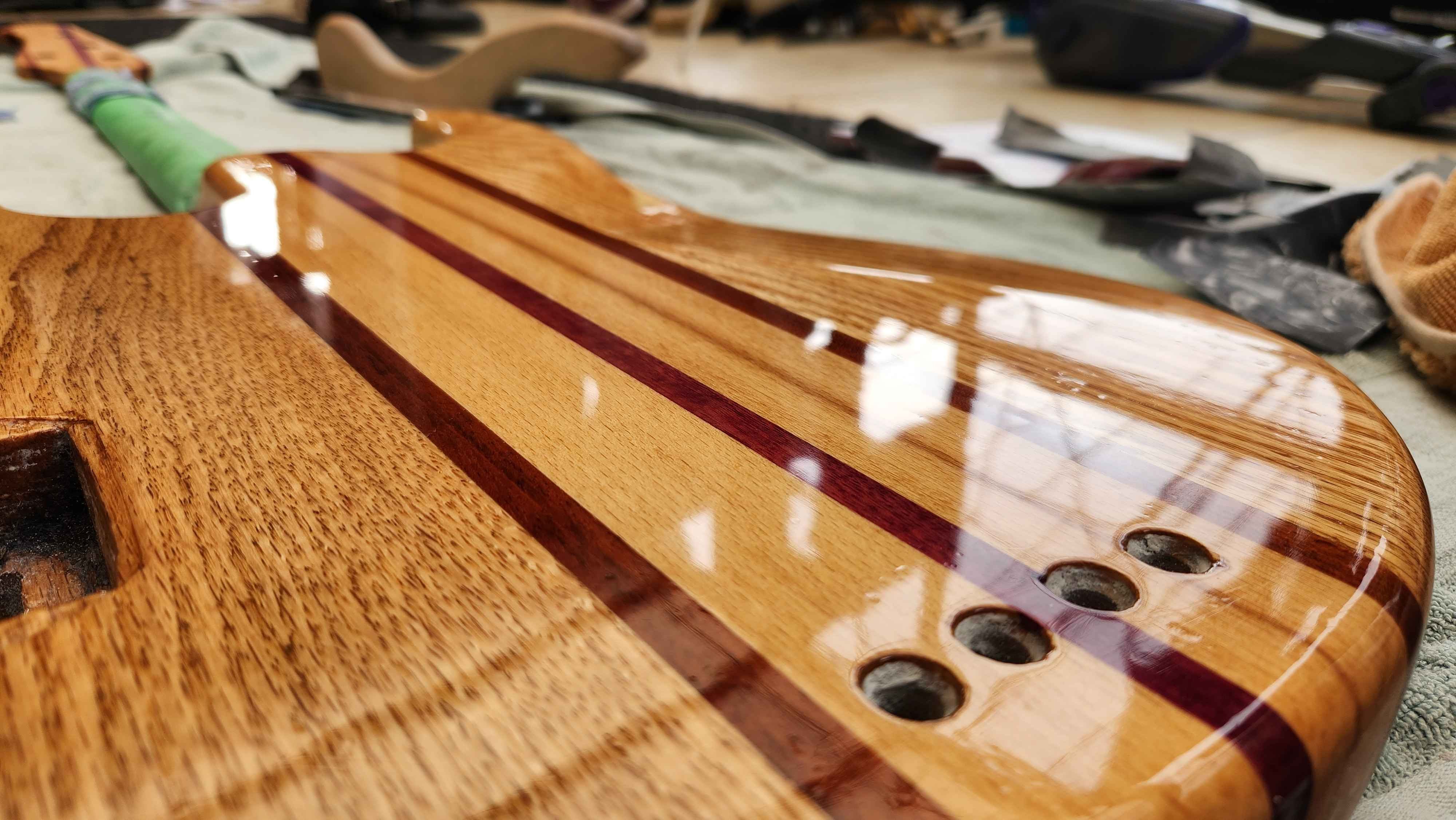
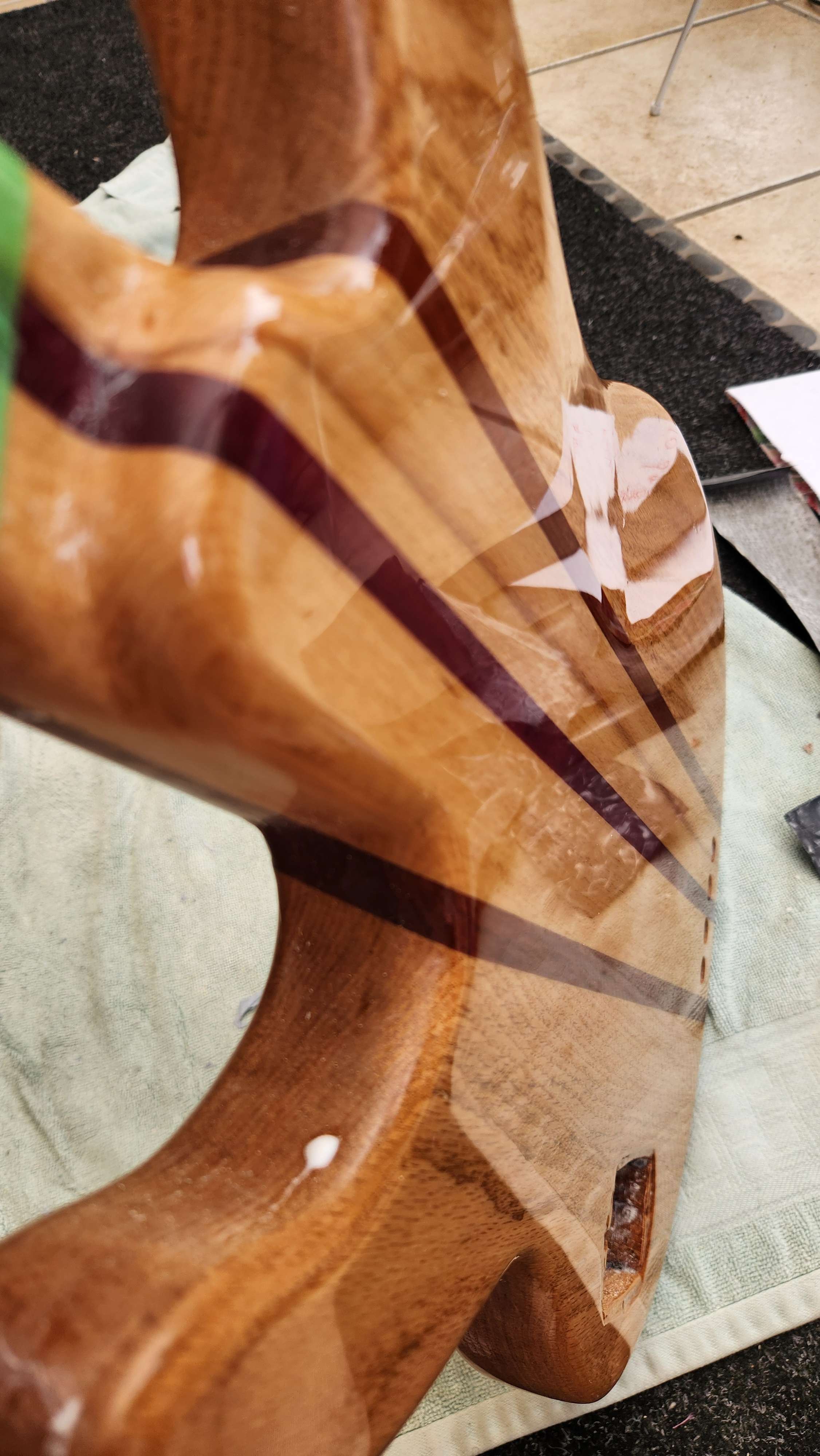
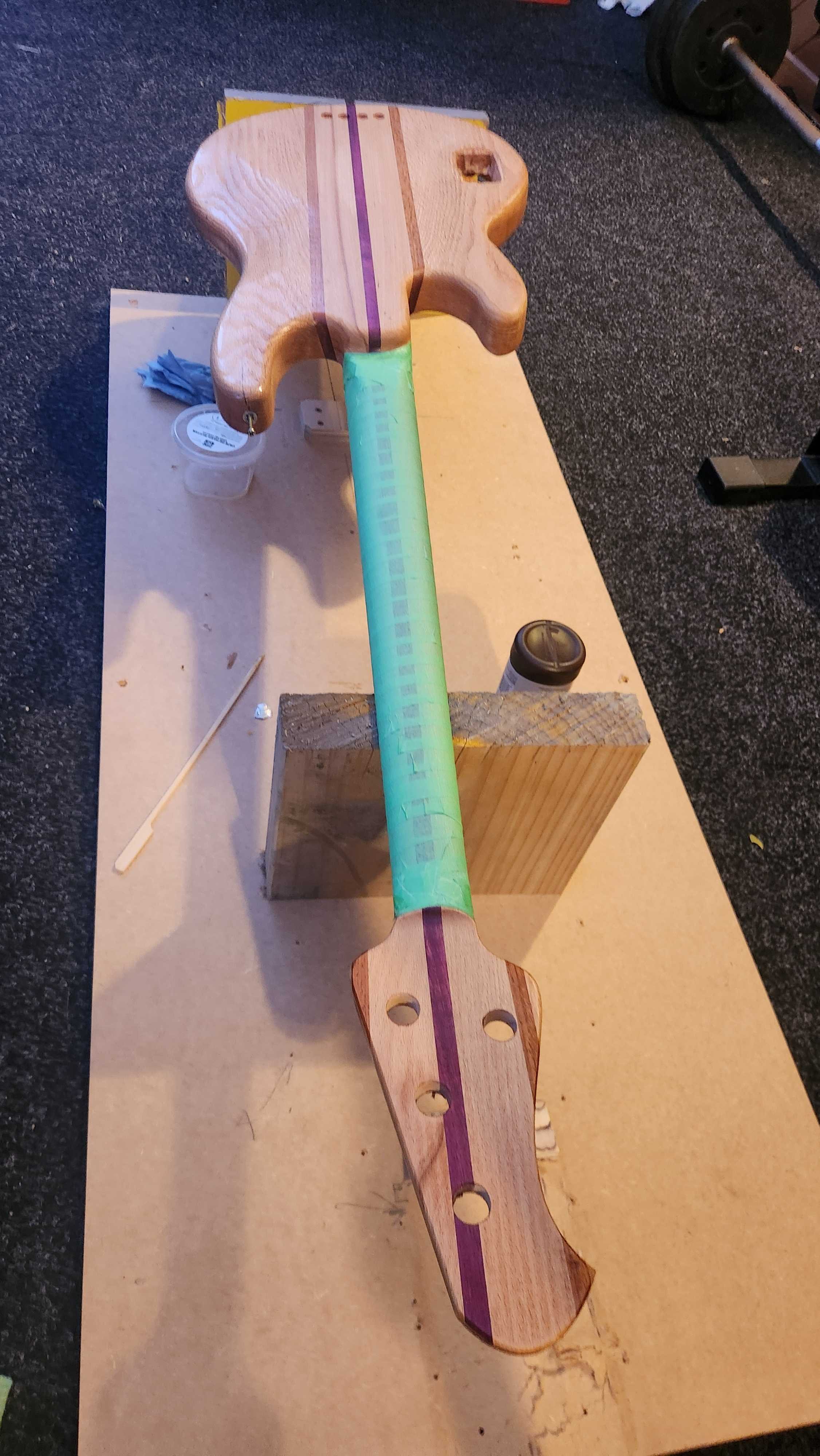
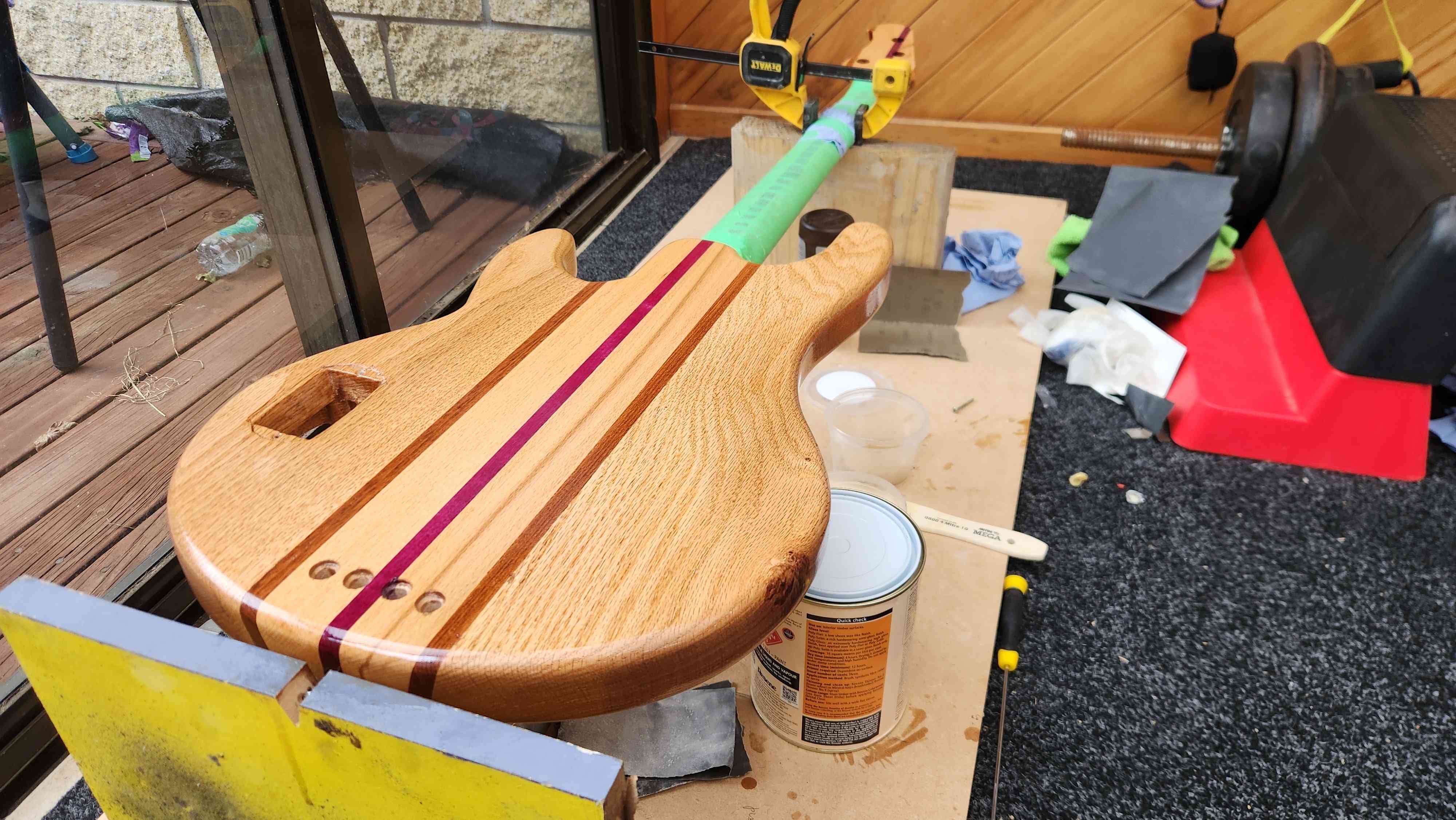
  • Posts

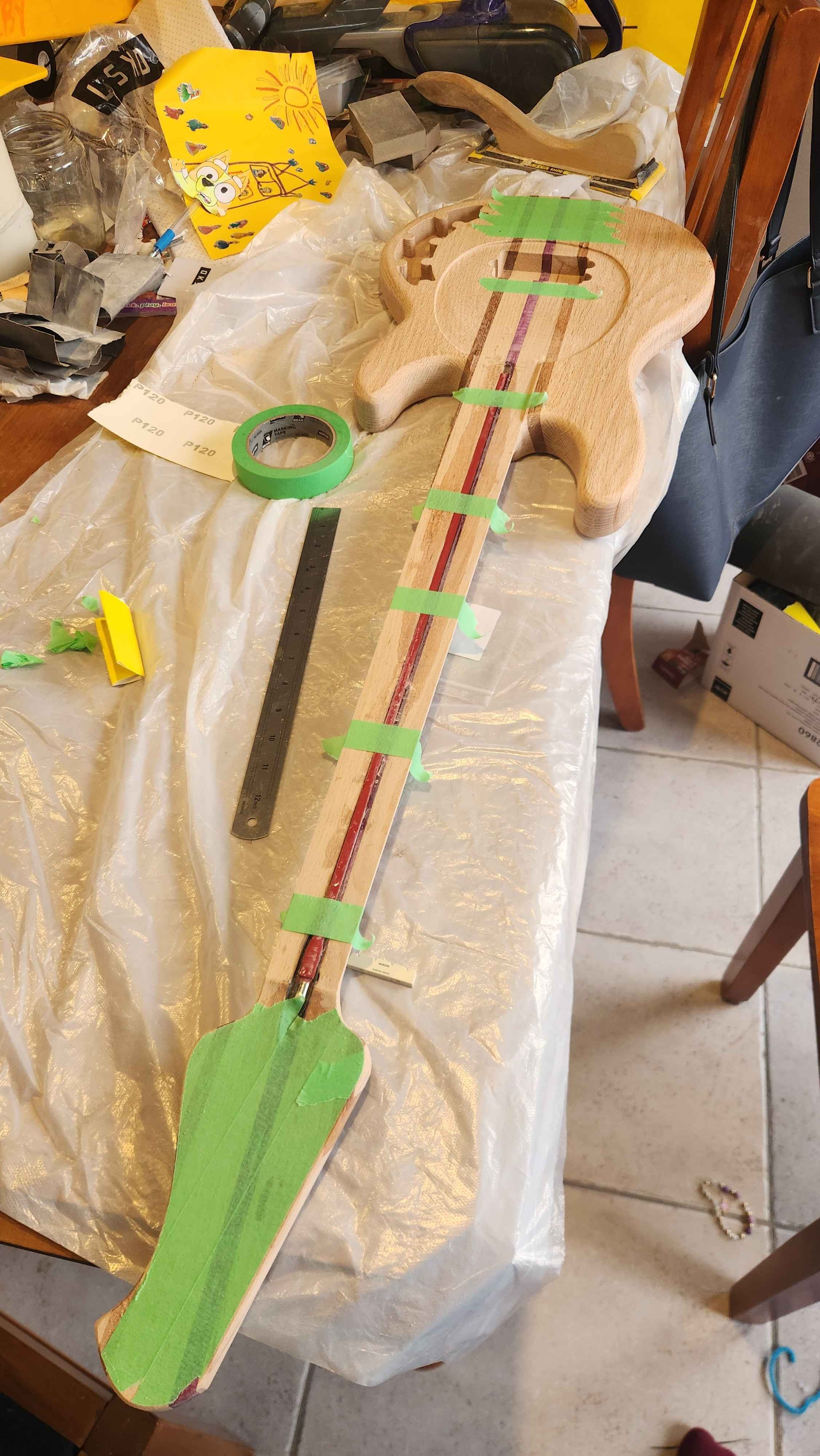
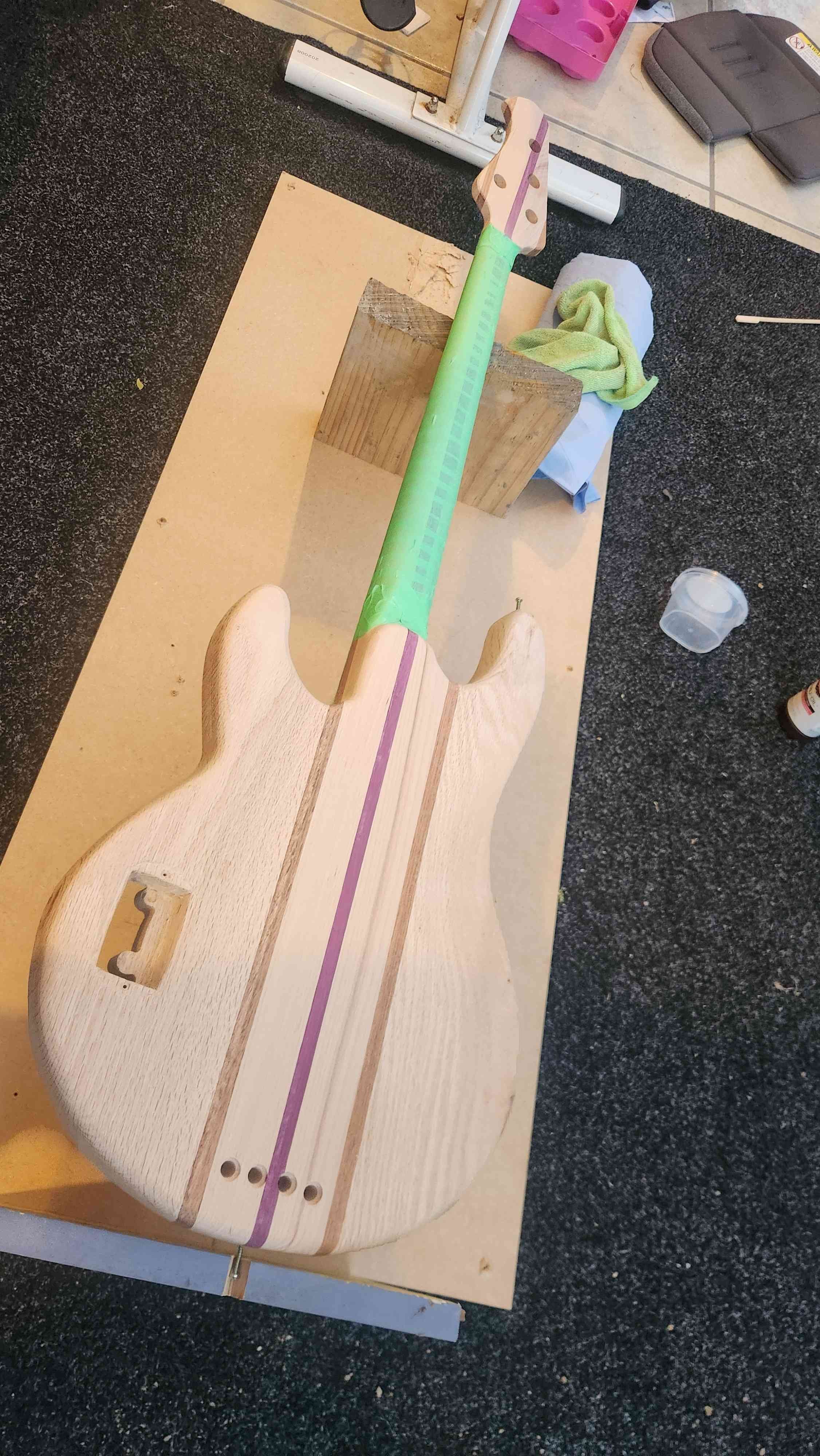
    6,576
  • Joined

  • Last visited

  • Days Won

    4

BlownCorona last won the day on August 28 2024

BlownCorona had the most liked content!

Profile Information

  • Gender
    Not Telling

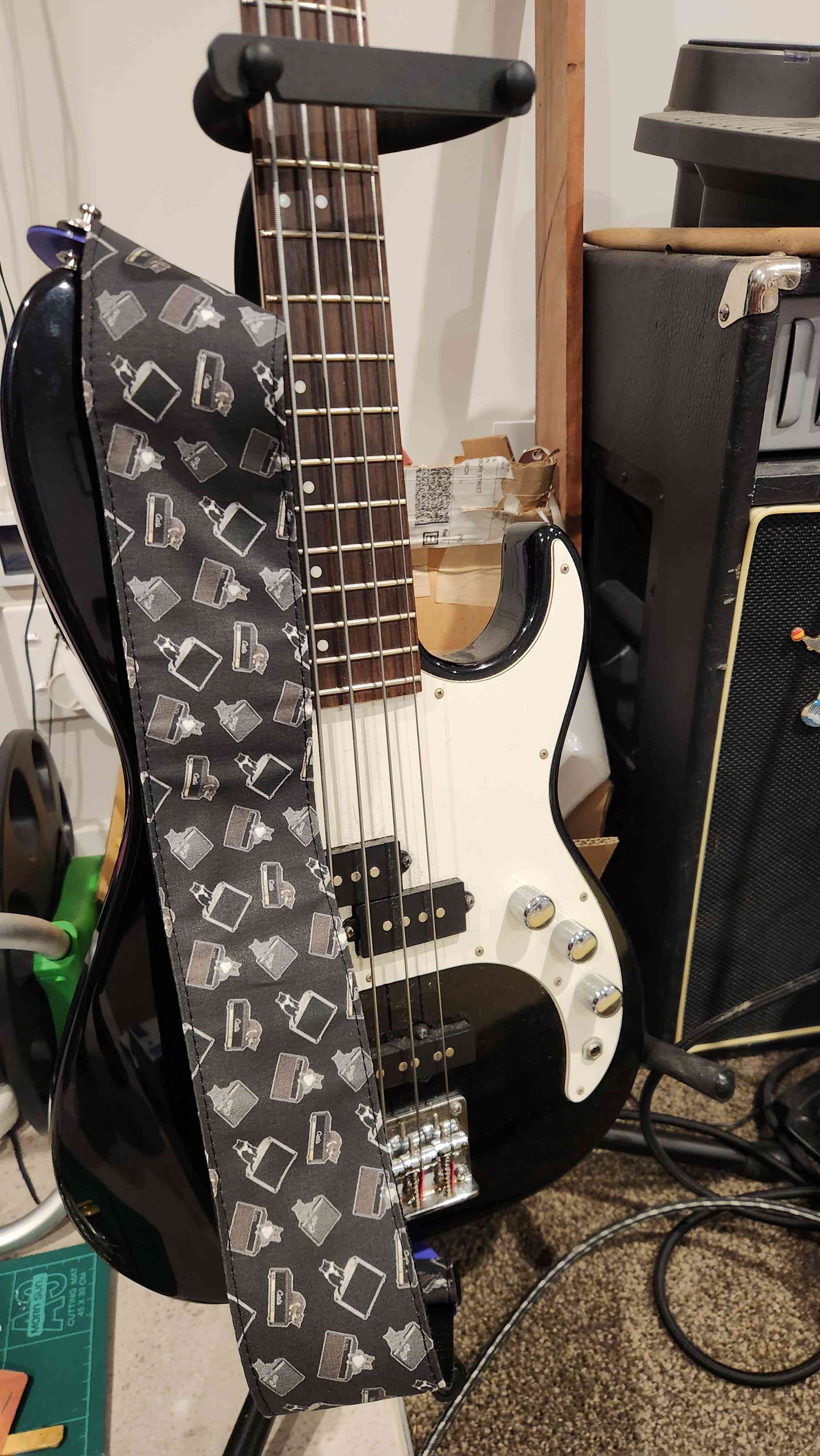
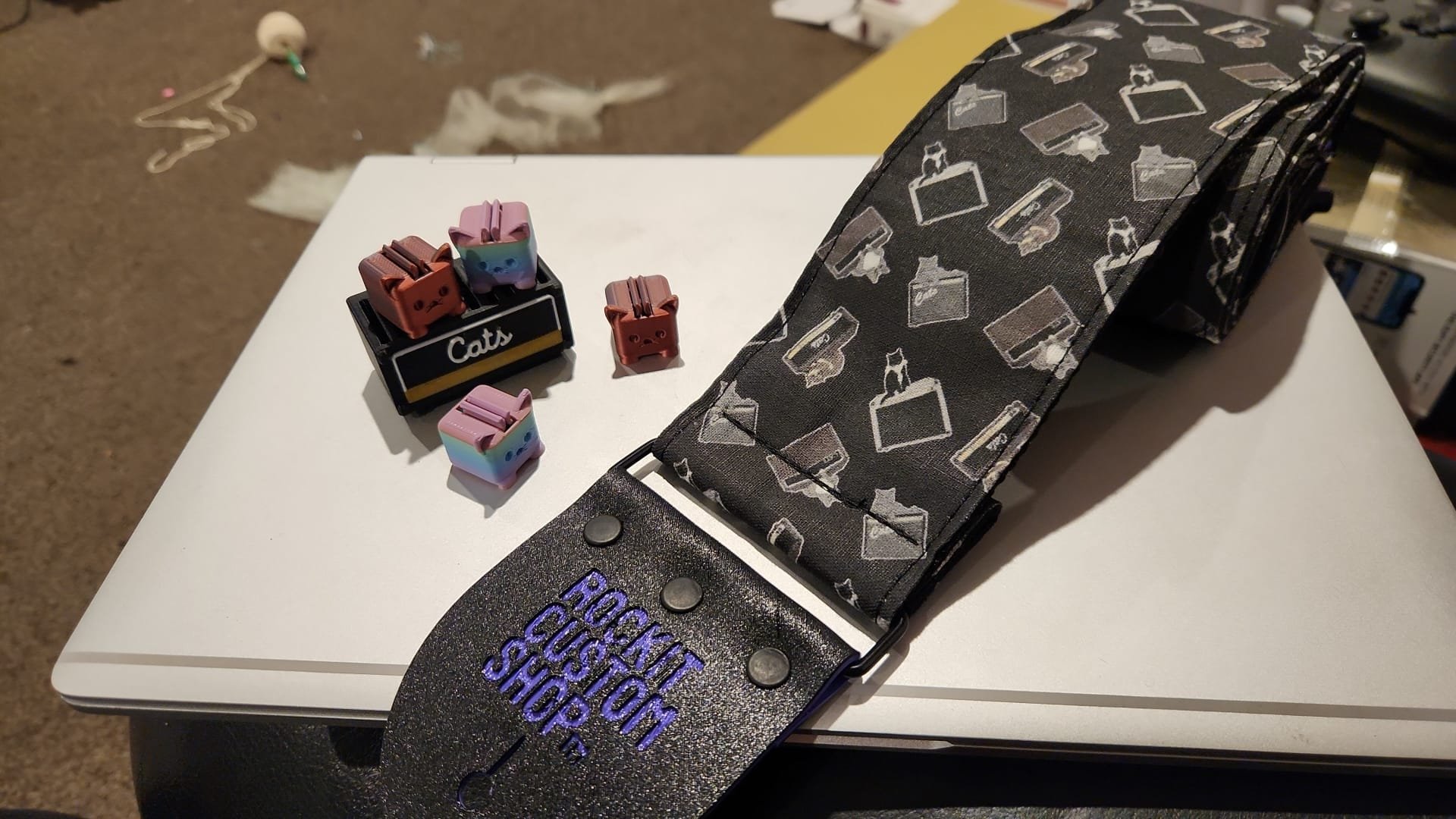
Converted

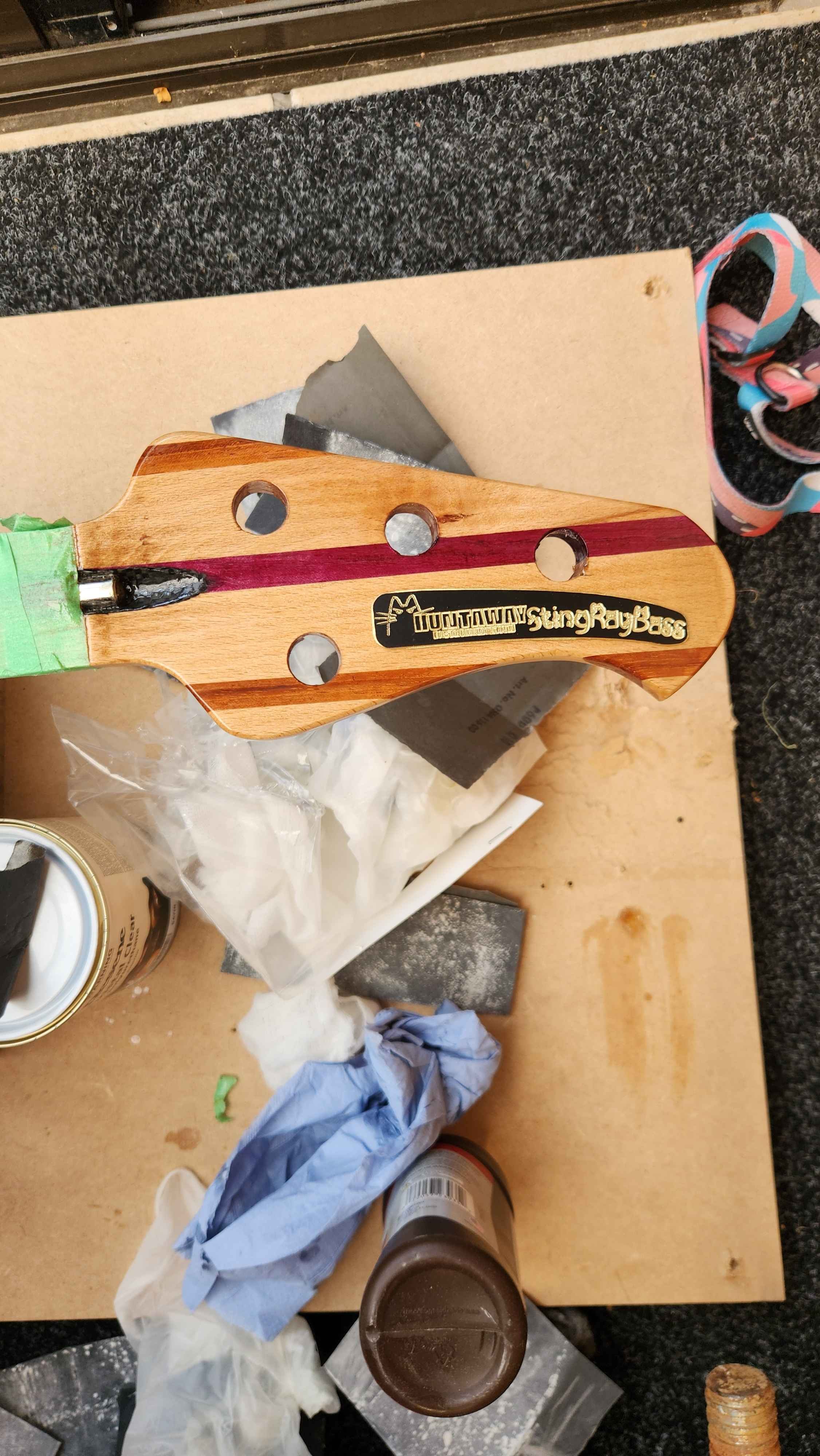
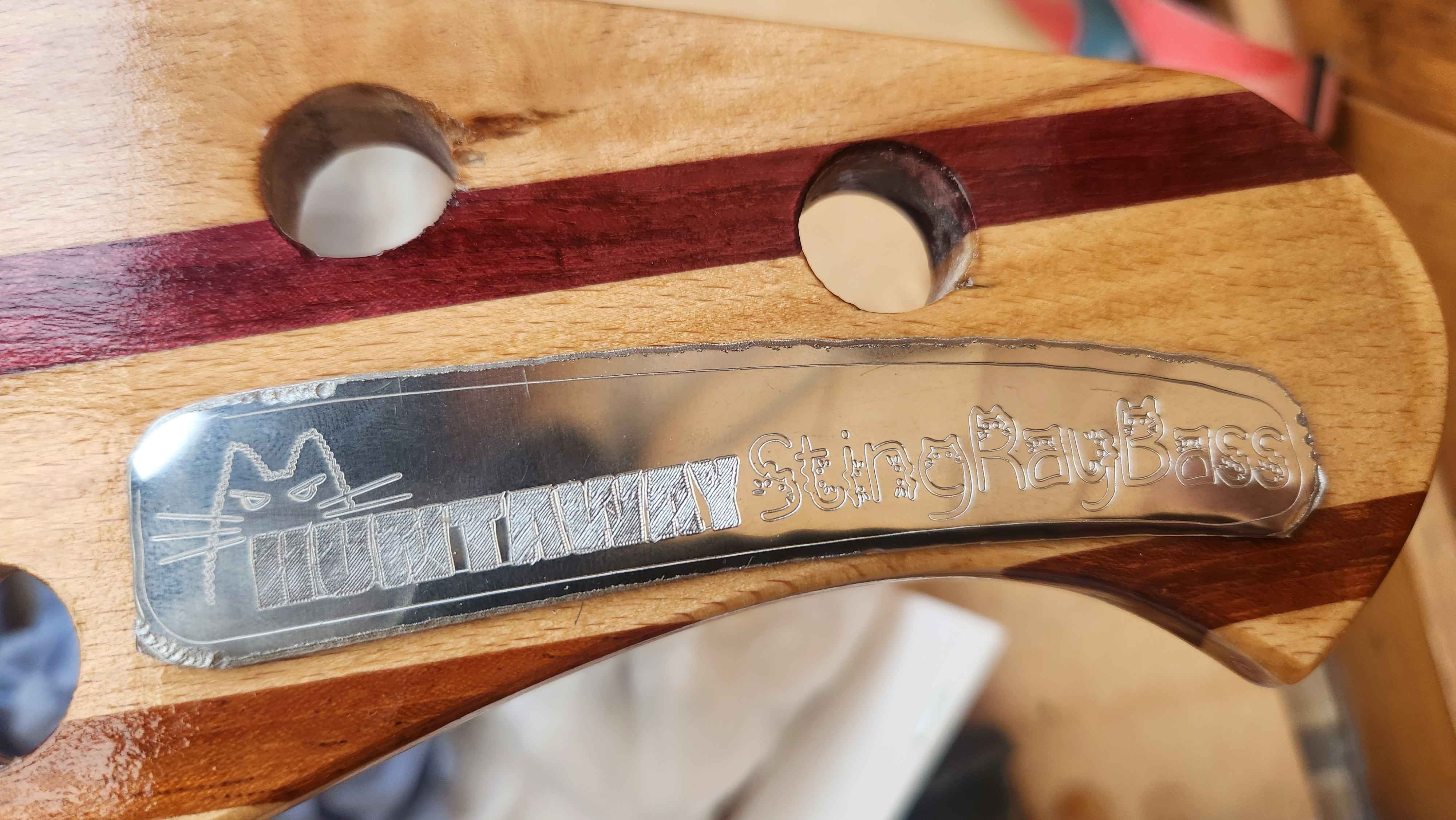
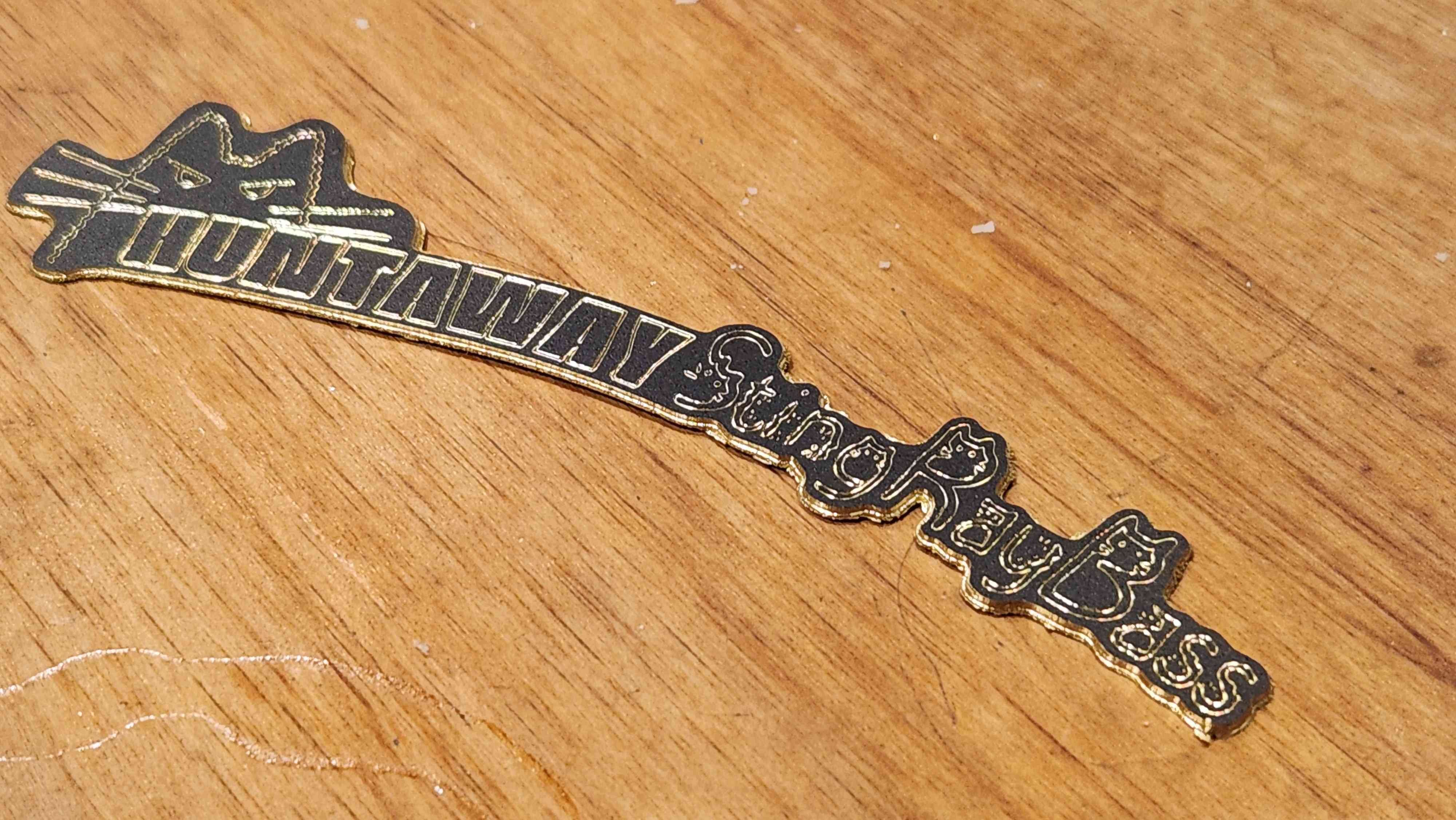
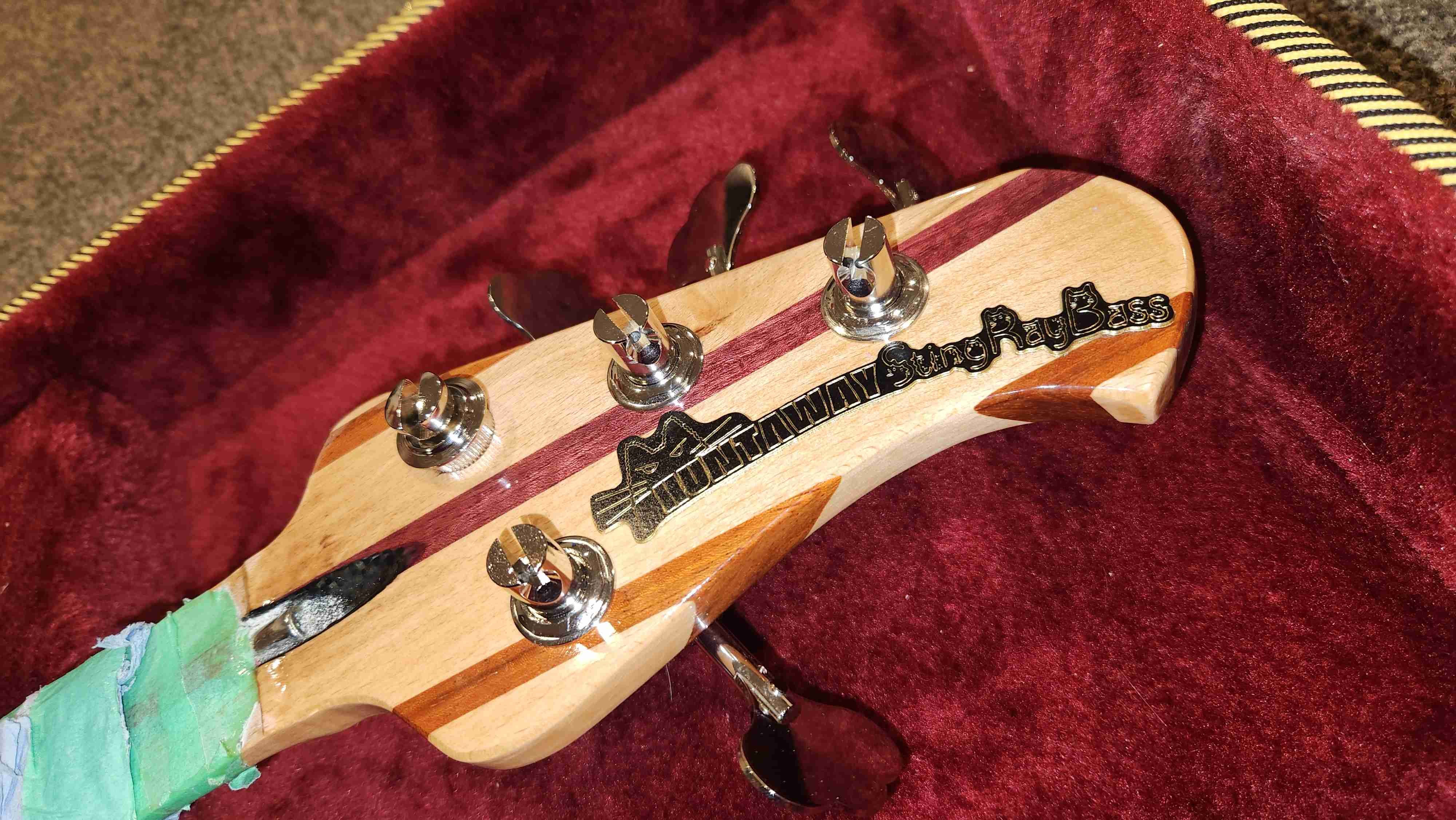
  • Local Area
    Christchurch

Recent Profile Visitors

6,962 profile views

BlownCorona's Achievements

Committed

Committed (5/5)

7.1k

Reputation

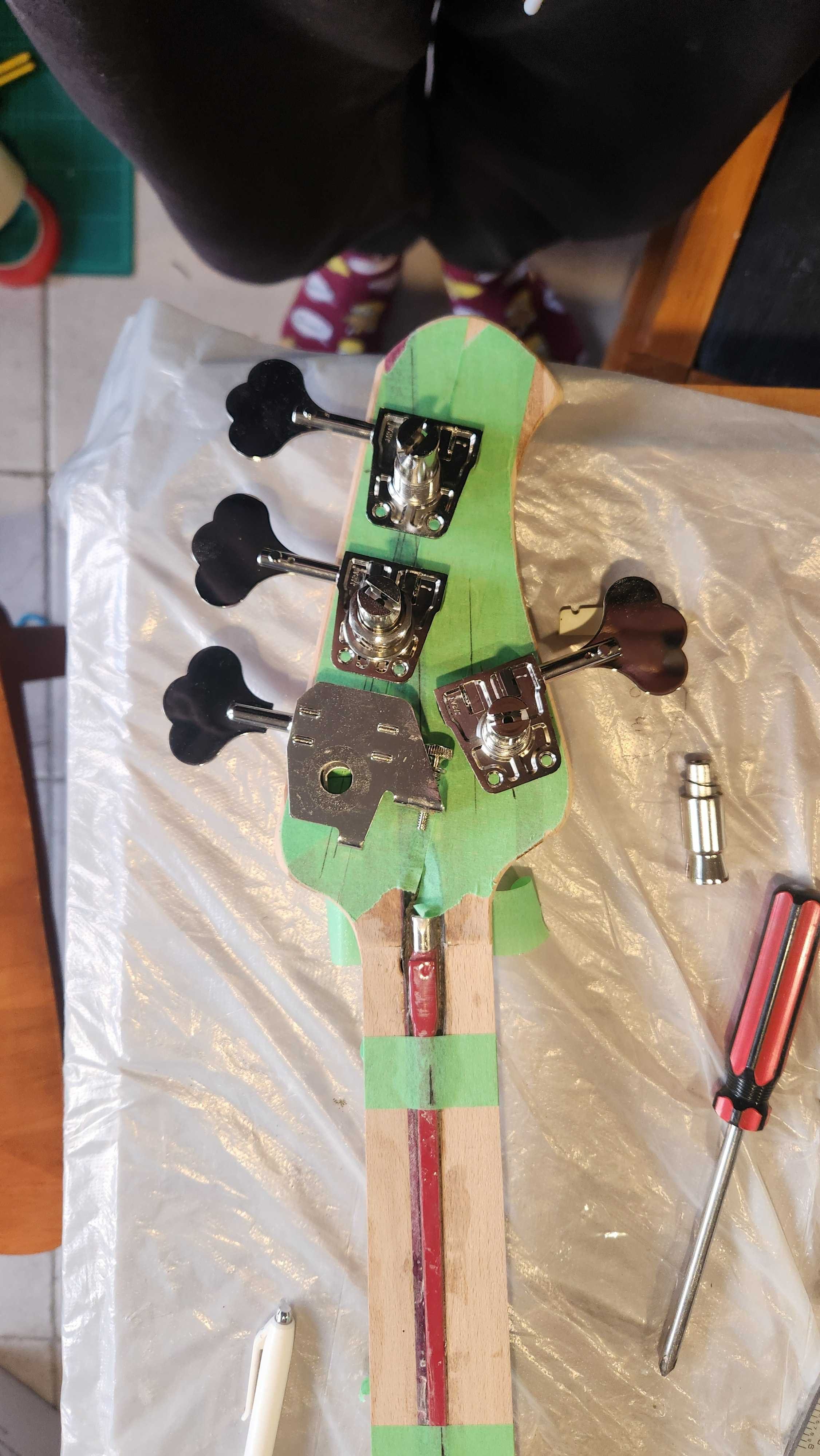
  1. I bought a stack of bass parts for cheap because my 7 year old daughter wants me to be build her a bass too. Now i already had intentions to build a u-Bass, a ukulele scale bass because i thought it would be fun, so lets all pretend it was her idea. no she cant play anything, but if i started playing bass when i was 7 then i wouldn't be stuck in the engineering field making basses in my spare time. That stack of parts included a Rickenbacker style bridge which wasn't advertised, as well as some nice warwick tuning machines in the same style as lemmys bass above so it seems the universe commands it. i also have a bunch of double up parts from the stingray, things i changed my mind on, which should be put to good use. the squareness of the rick leaves the question of whether I cut the body on a bandsaw or break into nicks garage late at night and use his CNC again, or use my own cnc, but cut it in quadrants.
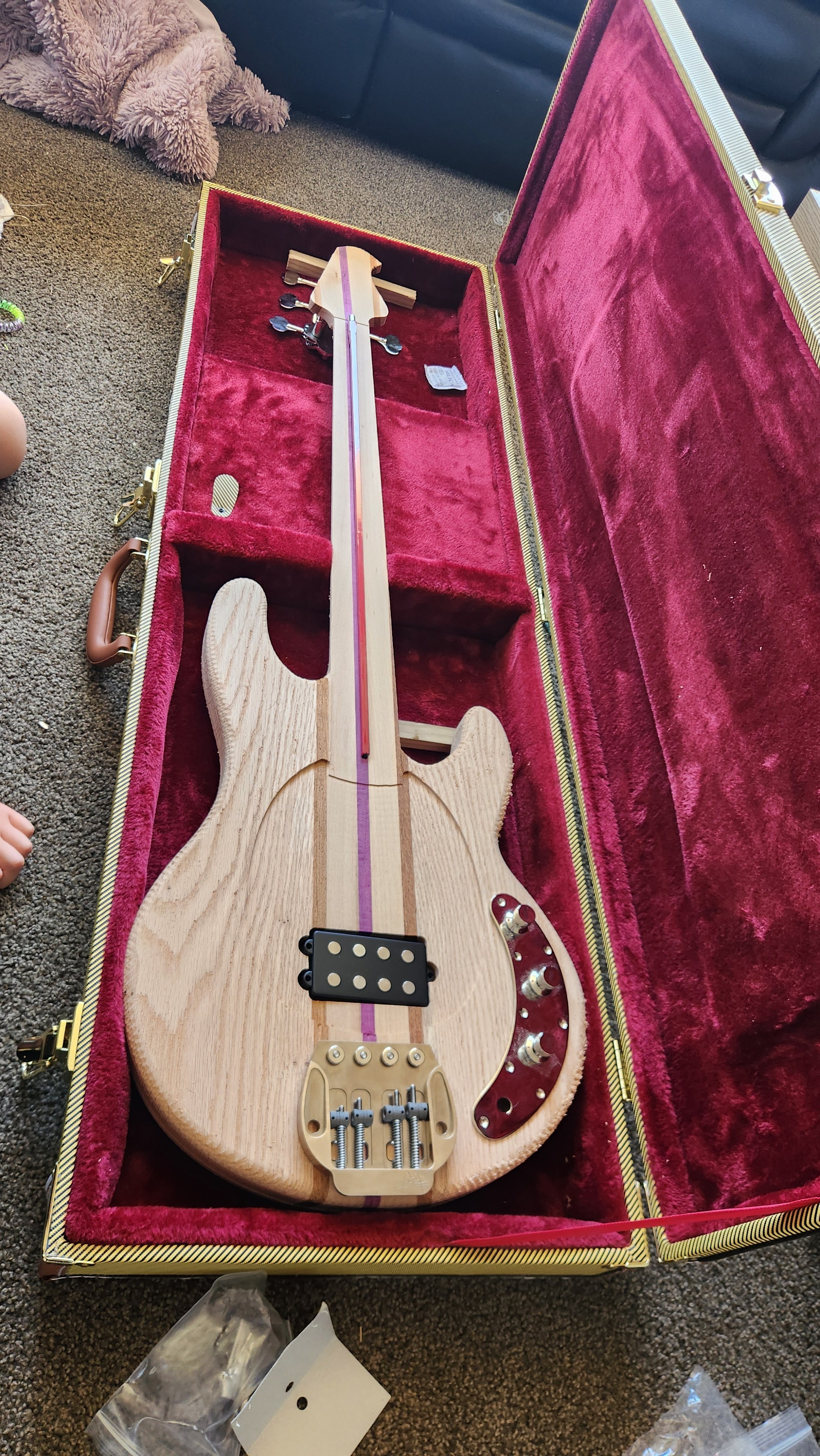
  2. Putting the instrument together for my break was an excellent choice, because holy shit, against all odds, it actually plays amazing. It sounds fantastic, exactly how a vintage stingray should, the rigidity of the laminated thru neck style and the string through body design has it ringing for days. The drop tuner is a heap of fun to use and i've even dropped the tuning way down to C standard a couple of times to try out some doom metal. its not a style of music i had intended to play on this bass but it handles it just fine (but its a pain to retune, more on this later) given this isn't quite finished, i haven't taken any really really nice photos. But i think these shots show its beauty. Despite the whole way though this project saying im only doing this once and i never want to do it again, ive got eyes towards a second project. I learnt so much during this project and had so many ideas, but was self constrained to building a stingray which really follows a set formula. What i would really like to have is a bass that permanently tuned really low for playing doom metal and stoner rock. and for many reasons i think that might have to be a Rickenbacker 4001, but it will have all sorts of mad scientist shit going on. such as putting effects pedal cicuits directly inside the bass and many more.
  3. My original plan was to not have a pick guard because i didn't want to cover up the nice stripes from the thru neck design, instead sinking the pick guard shape into the surface to retain the overall silhouette, and this did look fantastic, which you can see in above images. but i had an idea i wanted to try, which was to get some tinted clear lexan and machine the guard out of this. I ended up with some bronze tinted material and once i saw how it looked, there was no way it was coming off. you can also see a nicer veiw of the steam bent veneer around the thumb rest. next up i was looking for a nicer way to mount the pickup that didnt just have screws driven into the wood, and given i had a nice new toy in the shed i opted to solve this issue with custom machines parts. the mounting plate screws firmy into the body and presents nice threaded for machine screws to mount the pickup, allowing for proper adjustment that wont wear out. with the various small problems above solved it was time to move onto finishing the fretboard with the CA glue. this just involved applying thin layers of CA/super glue and sanding it smooth many many times. I then polished it with a small set of micromesh pads (super fine grin sandpaper on foam) and machine polished it with my orbital polisher. It looks like glass. next i installed the frets, dressed and polished them. I installed the strings so i could check the fret job was good. however, and somewhat expected, due to my change to the height of the fretboard, the bridge saddles are not tall enough, a simple fix and new (better) 3d printed titanium saddles have been ordered. i have also modeled and ordered a 3d printed Ti truss rod cover. as this point, i plastic 3d printed taller saddles so i could carry on and make sure everything else was in order. while I'm sure not very durable, the plastic saddles work fine (though aren't adjustable) so while i have a few small jobs left, i made the call to assemble everything for the holiday break because this mean i could spend my break actually playing it, as well as showing it off to family who were coming in. My favorite comment was from my mum when she saw me showing my brother "Is that the one you MADE?!"
  4. A long overdue episode of progress. In the most monumental case of scope creep i have every experienced. i went out shopping for a new pair of brushes for the spindle motor on my little cnc router, id really been thrashing that thing and the spindle was pretty unhappy. Well in typical NZ fashion, with literally nothing ever actually being available on the shelf I went home after visiting a dozen shops, empty handed intending on ordering some online. instead, i found an unfinished cnc mill project for $800 listed on trademe, it consisted of a Seig X2 mini mill, a pretty nice Heavy Metal CNC conversion kit, 3x large stepper motors, Thompson ballscews fitted and an oem floor standing cabinet, it also included all of the manual parts. after a quick message to @NickJ to see if he would tell me not to buy it, i bought it instead of a pair of $8 brushes for my existing machine. i then sold the nice big stepper motors to a guy building a router because i wanted to run servos. I then got pretty lucky on ebay scoring a full high end commercial spec (but old) motion system for $300NZD. Servos, servo controllers, power supply and full cable set, i snapped this up and had it sent to a college in the states who shipped it to me. the remaining piece of the puzzle was a control system, i looked at many options and spoke with Nick many times before option to just fork out a large amount of money for a Mesa card, i genuinely thought that paying $500 for a circuit board would mean the rest of the job would be easy, but holy fuck did it make things much harder. Got a derelict electrical cabinet out of the scrap bin at work and spent a couple lunch breaks cleaning it up and installed all the gear inside. Fast forward months of evenings tinkering with an entire cnc motion system sprawled out across our living room, i finally had the machine together, and its very good. it eats timber and handles metal well, future upgrades to coolant and rigidity will improve metal working further. I got the machine to a decent point where i could reliably use it, and in the near future i will be relocating machines in my shed and can tidy up the cables and setup a more professional looking control panel. Now with the above ~6 months saga over, which im sure is a typical step in the average musical instrument build?? you can see i set to cutting a new fretboard from the Macassar ebony. I also made a change to the integrated thumb rest, raising it a little higher than before (which just carried the edge along further) the new style brings it inline with the top of the pickup. This time putting the new mill to good use by placed the aluminum fret markers into the timber before machining the radius. on the previous board, there was some aluminum filing/sanding dust embedded into the wood, which didnt happen this way. You can see in the last image with the previous fretboard, i had designed it to be pretty much flush with the body, which looked really nice on the computer and sounded like a good idea, but in practice it felt bad. this presented an issue, that was not a cheap plank of wood, and if you think for a second I'm going to make another fretboard, there's no way. what i opted to do was machine a 3mm shim to glue between the neck and fretboard. This presented another issue, I didn't really want to be able to see this shim, so after gluing the two together I put them both back on the mill and shaved the edges down a little, leaving room to glue on some of the beech the neck was made from. this gives a really decent impression that the fretboard is rebated into the neck, you can see a glue line but it also looks very clean and very classic. I had already decided that i was going to install a pickguard which was another deviation from my initial design (more in this later) so the thumb rest area would already be hidden, however, after chatting with the old boy woodworker at work about steam bending wood techniques I figured I would see what i could manage with a very very thin piece of beach and the vege steamer on the stove. This image actually has masking tape over a lot of the steamed veneer, but it came out shockingly well, and I'm extremely glad I opted to have a go, its a detail that really elevates the whole package. I have much nicer photos, but they show further progress so you will have to wait (about 20 minutes for me to type the next installment)
  5. they can be had for low cost, just missing the centre detents. its only because i was chasing authenticity on that front that i went to great lengths. any normal person would simply fit a knob with a marker and a corresponding centre position on the base.
  6. is that an smd variant or just a stock image?
  7. i completely forgot to get those preamp bits out for @Metalhead96 will do that asap. OG opamp was an which is NLA though can be had from ebay, there are probably suitable cheap alternatives additional bits required would be the 100k log pot for bass, 1M reverse log pot for treble and 25k log pot for volume. I went to great lengths to get these pots with center detents just like original which are NLA and required me to buy about 9 pots and disassemble and built up with various parts. however im pretty sure you can buy the required values if you arnt fussy. https://www.digikey.co.nz/en/products/detail/texas-instruments/LM4250CN/3695231
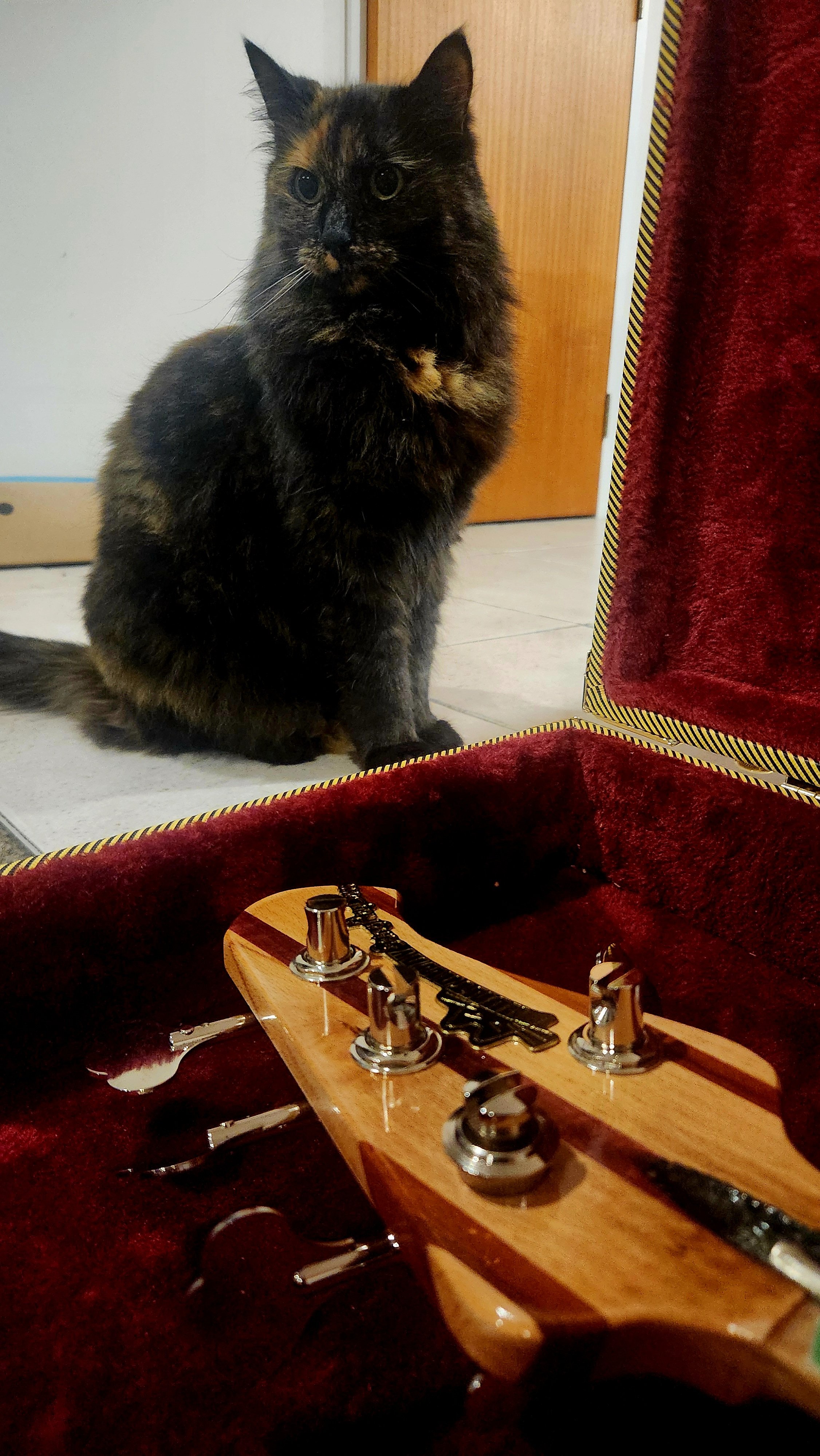
  8. In a stroke of luck (good or bad who knows) i came across some pictures of timber called Macassar ebony and fell in love. the timber matches my cats markings almost exactly. I knew what was going to happen, i was going to put this nearly complete fretboard aside and start again, again (again, again) I didnt actually know how i was going to get some, its a rare species and i was starting to research various import laws ect. Then out of the blue, someone listed a bunch of fretboard blanks on trademe IN NEW ZEALAND already! BUT they were sized for guitar and completly unsuitable. i took a shot and contacted the guy to see if he had any more and he very graciously cut up some more of his stock into 5 different boards that would fit my requirements so i could choose a board thats markings took my fancy the most. Only after he cut them did he ask what the hell instrument i was building that needed a fretboard so long, and i showed him the thumb rest detail and 35" scale bass info ect. As it turns out, he was a somewhat famous banjo luthier who emigrated from the UK to NZ and was happy to be helping people build instruments and offered some good advice. i also now want a little banjo scaled electric bass. i mean i got fretboards coming out the ears so maybe itll happen. You might see the essence of the logo in the above face. I also needed to cover a small error so i made this serial number plate which im very happy with. managed to engrave the stainless on my router which probably contributed to next episodes saga. i spun it up to mach 3 in my drill press and pressed it into some scotch pad which gave it the cool sunburst effect as well as got enough (alot) heat into it to colour it a straw colour that more closly matched the nickel plating found everywhere else. So long story short, ive been hard at work and made zero progress.
  9. Fretboard 3 i laminated up a bunch of thin sections of beech, purple heart and ironbark, similar looking to cedar stripped canoes and began cutting out a new board. The idea was cool but it was actually very ugly. i dont even have any pictures. Fretboard 4 Eventually i wrangled a small amount of the ironbark and some more purple heart together, but the ratios were off. i then thought that i might inlay some resin, mixed with some europium i had imported which glows in the dark, between the two woods. this looked really cool and i was pretty happy. i even got to the point of sinking aluminum and europium resin fret dots, making a bunch of aluminium dust to fill in the 12th fret markers which were the eyes portion of my logo and begining to apply a CA glue finish. i then machined out the fret slots. The glow isnt quite this intense to the eye, the camera really loves it though. however with a good amount of UV exposure it is actually quite bright. and i really liked it. I then went to dig out the pre cut stainless steel frets i had bought a while ago and.... what the fuck, they are too short. I also wasnt sure if i liked the fretboard when placed on the bass, at the time i really couldnt tell if i was unhappy, or if i was just sick of making fucking fretboards. I forgot to mention that my router was slow, these things took like a week of evenings to make, at this point im over a month deep. I do actually like it on the bass, but i would need new frets. but shockingly this still isn't the end of the fretboard saga.
  10. Well it was time to make the fretboard. A simple job which turned into an on going saga. The first fretboard was excellent but i cant find the photos i took of it, It was made from a nice piece of aussie ironbark and i machined it on my little CNC router at home, however when i went to offer it up and check fret placements for intonation ect the numbers just wernt adding up. the 12th fret should be halfway between the nut and the bridge saddles but this just wasnt happening and i couldnt quite figure out why. it turns out an early error on the 3d model which was based on a fairly low resolution magazine image saw me place the nut position about 10mm too far up the neck and for some reason i never checked this dimension. No big deal though, i could move the nut back down the neck to where it should be and feather in the remaining material to the headstock. That was untill i stumbled on the information for a 35" scale bass when checking and rechecking 34" scale fret positions. The nut position on my bass measured up exactly right for a 35" scale, and i then started to think about what this meant. I never considered scale length because i was basing it off a vintage stingray 4 string, but given this is not a replica i got curious. 35" scale bases are very common for 5 string bases including the stringray 5s, the 5th string is usualy tuned to D and the extra scale length helps add string tension, now you may recall that ive fitted a fair expensive hipshot detuner which lets me drop my E string to D on the fly with the flick of a lever. it just makes alot of sense that i should run the longer scale, a tough decision to package up the finished fretboard for a potential later project was made and to start again. Fretboard 2 made from another slice of the nice piece of ironbark and edged with some thin purple heart and beech, i also had seen another boutique instrument that featured an extended fretboard on the upper edge serving as a finger rest which i loved, so this was included. I then promptly fucked it up. due to the small size of my router i have to machine this in 3 parts, indexing it along. but for some reason the second programs origin was reverse and i cut the features in the middle of the board 180 degrees out. this was devastating as i really really liked this fretboard and i didn't have enough iron bark left to make one the same. i agonized over how i might repair it, but it was toast. I had to move on.
  11. that thing is more capable offroad and has already done more work than any ranger you'll see on the road epic job
  12. sorry im not aware of any other parts that will work (not saying there arnt any) I used the pedal assembly from a manual 13x series crown wagon. early on i had a celica xx / aa60 pedal assembly that i thought i might use but i never even offered it up as i found the genuine unit ex japan.
  13. great job, awesome engineering yadaa yadda ect ect im disappointed that milk bottle didn't get ejected out the side of your shed at mach 1 but seriously, great job
  14. A while back i commissioned a strap to be made for this after a late night browsing, it was advertised as a guitar strap so i got in touch with the maker to see if she could make a 3" wide one suitable for bass, she was only too happy to. She was in the process of moving and said it would take a while but i was happy to wait and im glad i did. its currently fitted to my Samick bass which i picked up for cheap to learn on, its a good instrument but its quite generic. the strap came from https://rockitmusicgear.shop/ which is run by a lady in California and has plenty of awesome designs, also a pretty accomplished musician herself and i was glad to be buying from a person and not another massive faceless company. as a pretty awesome bonus she had also included these little 3d printed cats and amps pick holders that she makes. the whole family loved them and they now live in our library on the shelf with various other little trinkets, and also the room where my wife practices. (i dont actually use picks, but i love cats and i love amps)
  15. I next started on the headstock logo/badge. i opted to try machine this on my little cnc router, que about 8 iterations while i learnt how best to do it. i started with an engraving bit which had many struggles, mainly the router isnt very stiff but also the brass was knocking the edge off the needle sharp engraving bit and was giving inconsistent results. i tried a few more times and with some different tooling but couldnt get it good enough. i then picked up a diamond tiped drag bit used for engraving, this tool doesnt spin up the spindle and simply drags the diamond over the surface giving excellent fine lines. i tried a couple different styles including a demo run on some stainless steel, though i prefered the brass logo against the similar tones of wood and the silver just didnt look quite right. i might clean up the edges on this one and attach it to the case though as while its not perfect, its not too bad either. once i got the process nailed, i set to redesigning the badge itself as i wasnt actually happy with the actual design. the final part looks awesome and im very happy. pre cleaning up the bevel edges with jewler file and satin clear applied. Done and glued in place apologies for bad, glary photos, everything is so shiny its a bit of a nightmare to capture but to the eyes everything looks awesome.
×
×
  • Create New...